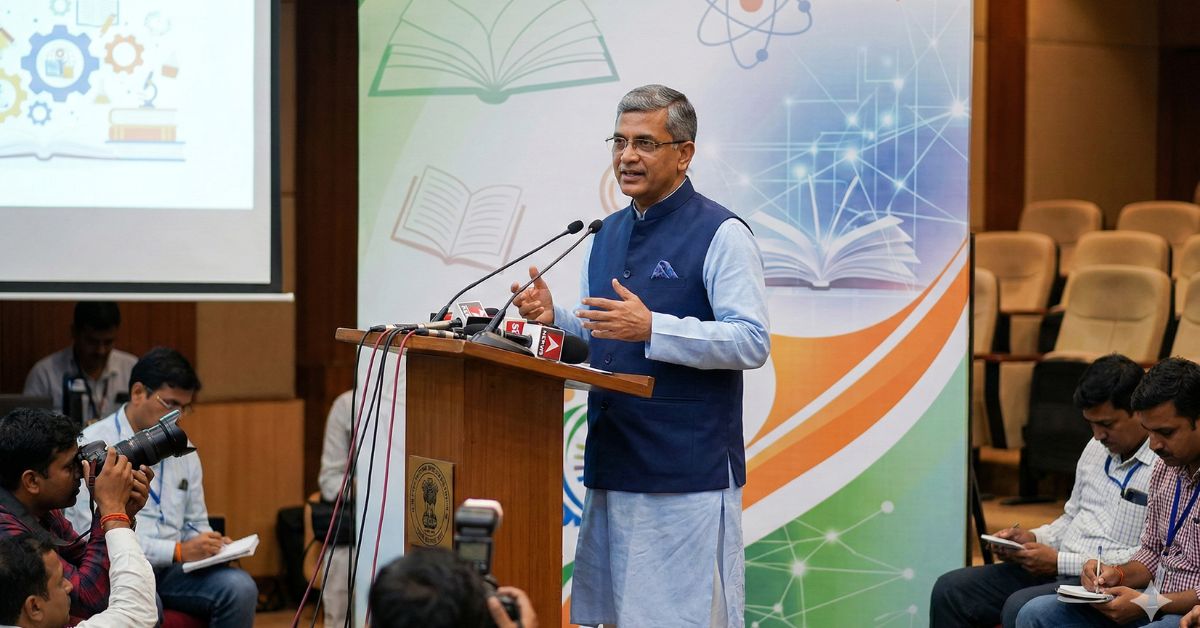
The education system in India is going through major changes, and now a new update about the 8th class syllabus for 2026 has caught public attention. Education Minister Sunil Kumar has shared important information about proposed changes in the curriculum. This announcement has raised questions among students, parents, and teachers.
In this article, we explain what the syllabus change is about, why it is being introduced, how it may affect students, and what to expect next. We also look at the background of recent education reforms and how this move fits into the larger picture.
What Did Education Minister Sunil Kumar Announce?
Education Minister Sunil Kumar recently spoke about revising the 8th class syllabus for the 2026 academic session. According to media reports, the aim of the change is to make the curriculum more practical, skill-based, and aligned with modern learning goals.
The minister indicated that the revision would focus on reducing outdated content and adding subjects or topics that improve real-life understanding. The focus may include digital literacy, environmental awareness, basic financial knowledge, and stronger language skills.
While the complete official syllabus has not yet been released, the announcement suggests that the government is working with education boards and subject experts to redesign the content. The changes are expected to follow national education guidelines and ensure students are better prepared for higher classes.
The minister also stressed that the goal is not to increase pressure on students but to make learning more meaningful and engaging.
Why Is the 8th Class Syllabus Being Changed?
Education policies in India are evolving, especially after the introduction of the National Education Policy (NEP) 2020. Many states are now updating their school curriculum to match the new vision of education.
The main reasons behind the syllabus change include:
- Making education more skill-based rather than only exam-focused
- Reducing unnecessary academic load
- Promoting critical thinking and problem-solving
- Aligning state curriculum with national standards
Class 8 is considered an important stage because it prepares students for secondary education. Authorities believe that updating the syllabus at this level can help build a stronger academic foundation.
Experts have often pointed out that some textbooks contain outdated examples or content that no longer matches today’s world. With technology and society changing rapidly, updating the curriculum is seen as necessary.
Key Areas Where Changes May Happen
Although detailed documents are still awaited, education officials have hinted at certain areas where changes are likely.
Focus on Skill Development
The new syllabus may include more practical activities. Students could see projects, case studies, and hands-on assignments instead of only theory-based learning. This may help students understand how classroom lessons apply in real life.
Digital and Technology Education
With increasing digital use in India, schools may introduce stronger digital education topics. Basic coding concepts, online safety, and responsible internet use could become part of the curriculum.
Simplified Language Content
Language subjects may be simplified to improve understanding and communication skills. The aim is to strengthen reading and writing abilities rather than memorization.
Updated Social Science and Science Topics
In subjects like Social Science and Science, outdated data and examples may be replaced with current information. Environmental education and awareness about climate change could receive more attention.
Background: Education Reforms in India
Over the past few years, both central and state governments have been actively working to reform the education system. The National Education Policy 2020 recommended several major changes, including flexible learning, skill development, and reduced exam stress.
Many state governments have already started modifying textbooks and teaching methods. The proposed 8th class syllabus change appears to be part of this broader reform process.
The idea is to move away from rote learning and create a system where students understand concepts clearly. Education authorities believe that such reforms will improve learning outcomes and make Indian students globally competitive.
How Will This Impact Students?
Students currently studying in middle school may see noticeable differences once the new syllabus is implemented in 2026.
First, they may experience more activity-based learning instead of only reading textbooks. Classrooms could become more interactive, with discussions and projects.
Second, the exam pattern might also change slightly if the curriculum shifts toward understanding rather than memorization. However, officials have not confirmed major changes in examination systems yet.
Parents may also need to adjust, especially if new subjects or practical components are added. Schools may conduct orientation programs to help families understand the new structure.
Overall, the intention appears to be reducing stress while improving learning quality.
What About Teachers and Schools?
Teachers will play a key role in implementing the new syllabus. Once the updated curriculum is finalized, training programs are expected to be organized.
Schools may receive new textbooks, revised teaching guides, and updated assessment methods. Teachers might also undergo workshops to understand new teaching techniques.
In some cases, infrastructure improvements may be required, especially if digital learning components are increased. This means schools may need better internet facilities or computer labs.
Authorities have indicated that changes will be introduced carefully to avoid confusion.
Official Updates and Timeline
As of now, the government has announced the plan to implement the revised 8th class syllabus from the 2026 academic year.
The detailed syllabus document is expected to be released after consultations with experts and education boards. Once approved, textbooks will be printed and distributed before the new academic session begins.
Officials have clarified that the current syllabus will continue until the new framework is formally introduced. Students currently in Class 8 will not be affected immediately unless otherwise announced.
Parents and students are advised to follow official government notifications for accurate updates.
Why This Change Matters
Education is the foundation of a country’s development. Updating the syllabus at the middle school level can influence the future learning path of students.
If implemented properly, the new curriculum could:
- Improve understanding instead of rote memorization
- Prepare students for modern careers
- Encourage innovation and creativity
- Align education with global standards
However, successful implementation will depend on teacher training, textbook quality, and proper communication with parents.
What Happens Next?
The next step will likely be the release of a draft syllabus or official framework. Education boards may invite feedback from teachers and experts before final approval.
Read More : KSEAB 2026
Once finalized, schools will receive guidelines for implementation. Training sessions and textbook distribution will follow.
Students and parents should wait for official circulars rather than relying on rumors.
Frequently Asked Questions (FAQs)
1. When will the new 8th class syllabus be implemented?
The revised syllabus is expected to be implemented from the 2026 academic session, as announced by the Education Minister.
2. Will exams change under the new syllabus?
There is no official confirmation yet about major exam changes. More details will be shared once the full framework is released.
3. Will current Class 8 students be affected?
Students currently studying will likely continue with the existing syllabus unless the government announces otherwise.
4. What is the main goal of the syllabus revision?
The main aim is to make education more skill-based, practical, and aligned with modern learning needs.
5. Where can parents check official updates?
Parents should refer to official government education department websites and trusted news sources for confirmed information.